Quick answer
Before hiring a window installer for drafts, ask the professional to identify where air is moving, explain why the recommended work addresses that source, and put the complete product and installation scope in writing. Compare the same openings, product types, removal, opening preparation, finish work, permit responsibility, cleanup, and warranty terms across estimates. A room that feels cold near glass may have a window leak, cold-glass airflow, HVAC imbalance, or a problem elsewhere in the building, so a replacement recommendation should explain the observed condition. American Reliable Windows & Doors is based in Van Nuys and lists window sales, replacement, and installation; its public information does not confirm every standalone repair service.
Start with the symptom, not the product pitch
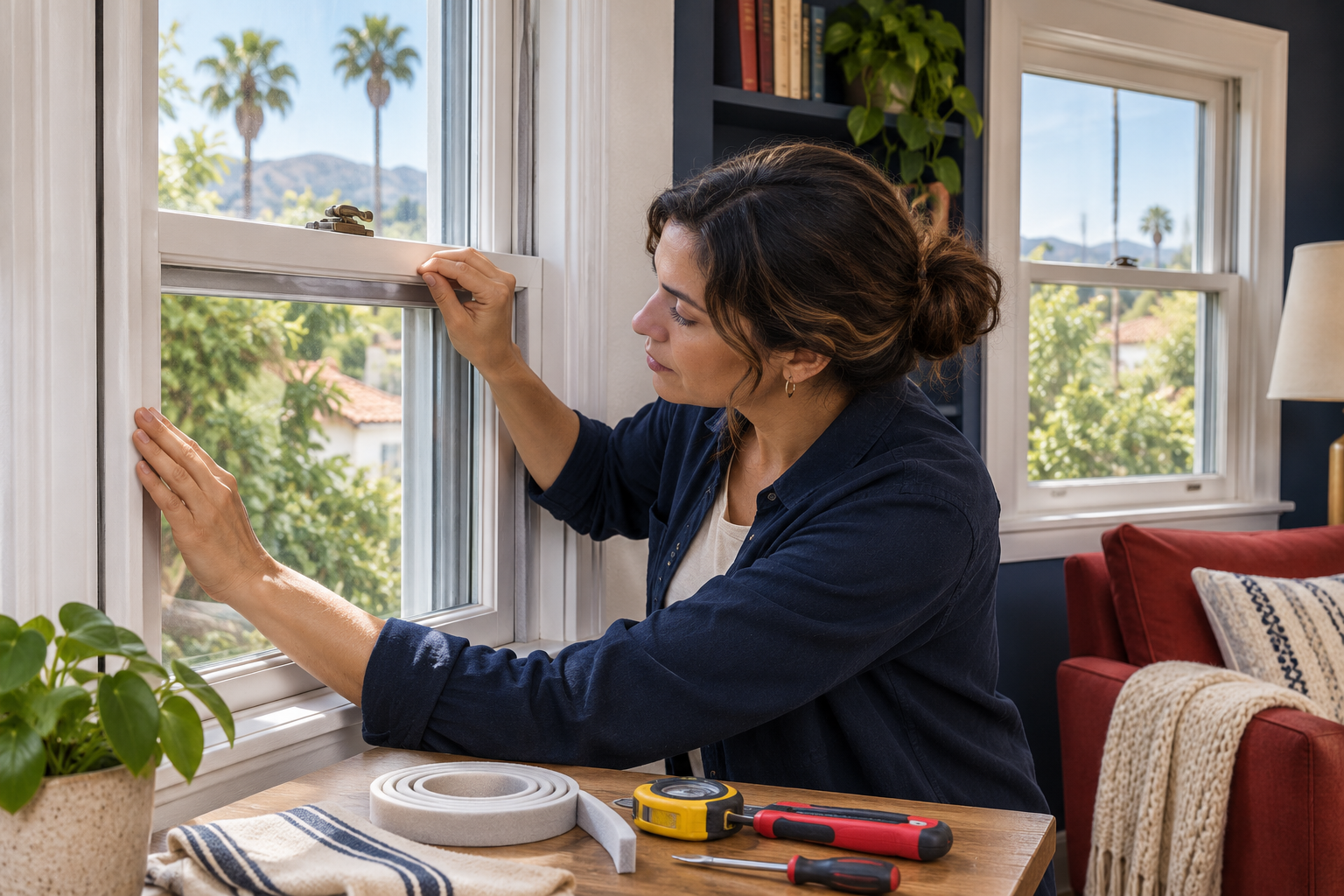
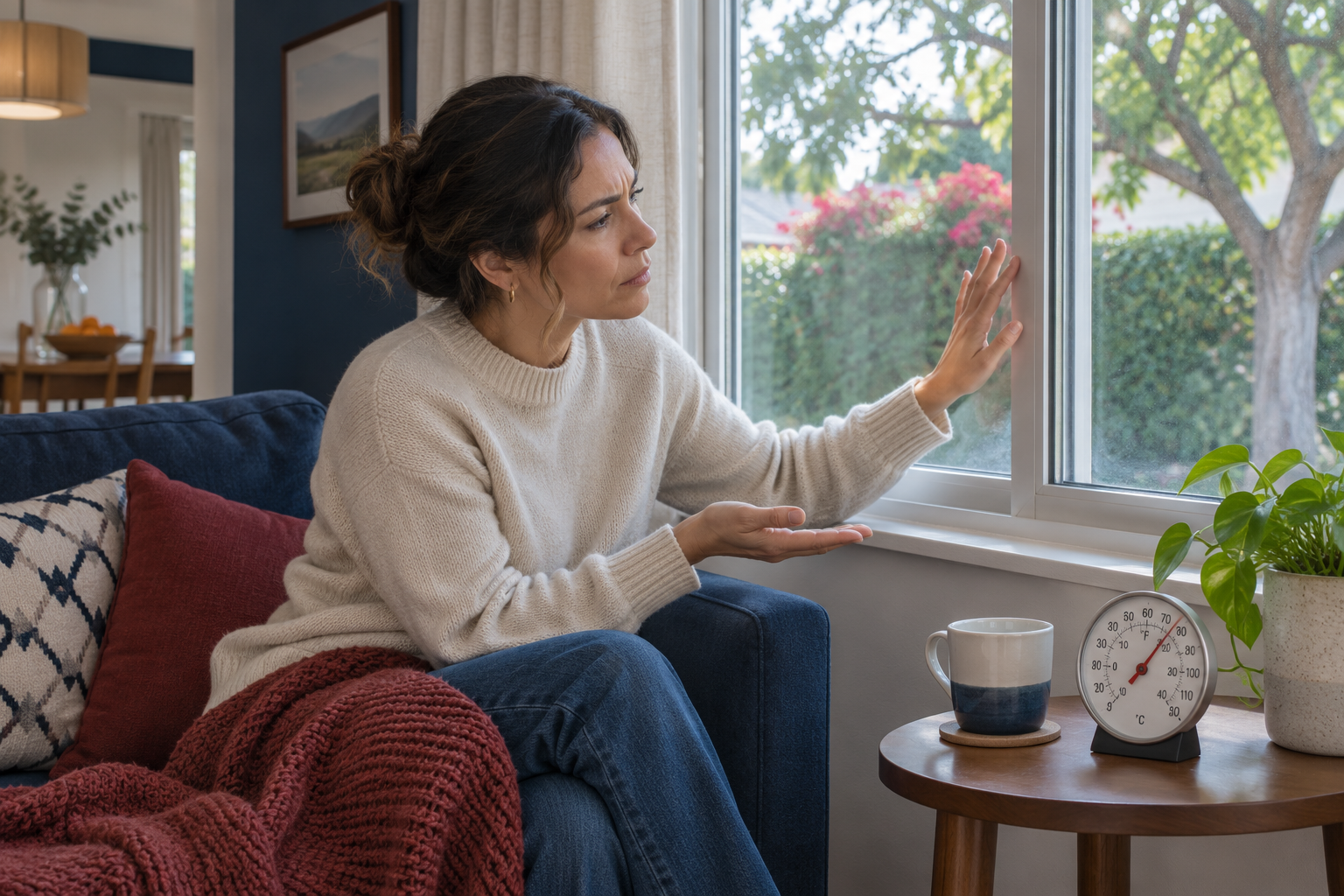
“Drafty window” can describe moving outdoor air, cool air sinking from a glass surface, or an uncomfortable room with an unrelated insulation or HVAC issue. Before requesting bids, write down where you feel the sensation, when it happens, whether the sash closes and locks, and whether there is visible moisture or damage. The Van Nuys drafty-window guide explains simple ways to compare the sash, frame perimeter, glass, and nearby room conditions.
This information helps an installer understand the problem, but it is not a substitute for an inspection. Avoid deciding in advance that the unit needs replacement or that one strip of weatherstripping will solve it. Ask the professional to describe the suspected source and what evidence supports that conclusion. If the source appears to be outside the window trade, a responsible provider should be able to explain that limitation.
The questions to ask before choosing an installer
1. Where do you think the air or cold sensation is coming from?
Ask the installer to identify whether the likely source is the operable sash, frame, glass, installation perimeter, or another part of the room. If the answer is “the window is old,” ask which visible symptom supports replacement. A useful assessment connects the observed problem to the component and scope being proposed.
The answer may remain uncertain without additional access or testing. Ask what the inspection did and did not establish. A clear note that the source is uncertain is more useful than a guarantee that replacement will solve a condition that has not been isolated.
2. How will you distinguish an air leak from cool glass or another room issue?
Ask what observations are consistent with moving air and which point to a cold glass surface, duct imbalance, shading, or insulation. The U.S. Department of Energy explains that window performance includes heat flow and solar heat gain, while ENERGY STAR recommends locating air leaks in more than one part of a home. A cold room does not by itself prove the window is leaking.
If the installer believes the problem is outside the window, ask whether they recommend another qualified professional, such as an HVAC or home-energy specialist. A window installation company may not evaluate every wall, duct, or attic condition. Knowing the limits of the assessment helps avoid paying for work unrelated to the source.
3. Is a repair or adjustment an option, and do you offer that service?
Ask whether the sash, hardware, or weatherstrip can be adjusted or repaired, and what condition would make that option unsuitable. Weatherstripping is generally used at moving parts; caulk is generally applied to stationary joints. Neither method addresses every rough-opening, frame, glass, or HVAC condition.
Confirm the provider offers the specific repair before booking. American Reliable Windows & Doors lists window product sales, replacement, and installation. Its published information does not establish that every standalone weatherstripping or glass repair is available, so homeowners should ask about the exact service requested.
4. What exact products and performance values are in the estimate?
Ask for the manufacturer, product series, operation type, frame material, glazing configuration, and applicable performance ratings. The Department of Energy identifies U-factor and solar heat gain coefficient as useful values for comparing residential windows. Product performance is one part of the decision; installation quality and the actual opening conditions also matter.
Request the product literature for the configuration being quoted. A display sample or general brand brochure may not match the selected size, glass package, or operation. Ask how the recommendation fits the home’s comfort goal, exposure, appearance, ventilation needs, and budget without assuming one rating is best for every room.
5. What installation method are you proposing?
Ask what existing parts will remain and what will be removed. Terms like retrofit, insert, pocket, and full-frame can be used differently, so request a plain-language description or sketch. The proposal should connect the method to the condition of the frame and opening, not simply apply the same approach automatically to every window.
Ask how the installation gap will be air-sealed and how flashing or drainage will be managed. The Department of Energy’s Building Science Education resource describes rough-opening flashing and air sealing as distinct details that must work with the opening assembly. Ask whether trim, siding, stucco, or other finishes may be disturbed and what the estimate includes restoring.
6. What is included, excluded, and likely to change?
Ask for a written list of included tasks: measurements, product order, removal, opening preparation, installation, sealing, interior or exterior finish work, debris removal, and cleanup. The estimate should also identify exclusions, such as painting, stucco repair, concealed damage, or replacement of unrelated trim.
Ask what happens if the crew discovers damage after removing an old unit. How will the condition be photographed, priced, and approved before work expands? A written change process makes it easier for the homeowner to understand cost and schedule changes. Compare scopes line by line; a low total may omit work that another estimate includes.
7. Who is responsible for permits and inspections?
Ask whether the scope needs a permit, who verifies the property’s jurisdiction, and who handles any application or inspection. Van Nuys addresses can fall under different permitting jurisdictions. The Los Angeles Department of Building and Safety states that some same-size, same-type replacements within the City of Los Angeles may qualify for its express permit process; that detail should not be assumed to apply to every property or project.
Request the responsible party and any permit assumptions in writing. If the property is outside the city’s jurisdiction or the project changes window size or type, the applicable process may differ. Ask the installer to verify the address and project scope with the relevant agency before work starts.
8. Can I verify your license and business information?
California homeowners can use the Contractors State License Board’s online resources to check contractor license status and review guidance on hiring. Ask for the exact legal business name and license number shown on the proposal so you can compare them with the official CSLB record. Confirm that the license classification matches the work being proposed.
Do not rely only on a directory profile, sales card, or a number copied into an estimate. Public listings can be outdated or inconsistent. The project records for American Reliable Windows & Doors contain conflicting license details, so this article does not state a license number; verify current status directly with CSLB before contracting.
9. What insurance documentation can you provide?
Ask whether the business carries general liability insurance and, if it has employees, workers’ compensation coverage. Request current documentation and ask who will be working at the property. Do not treat a verbal “we are covered” as the same as reviewing current proof.
The CSLB recommends asking about insurance and checking the contractor’s status as part of the hiring process. The homeowner should understand which entity is responsible for the work and who will be present in the home. This is a verification question for any installer; this article does not make an unverified insurance claim about a particular company.
10. What warranty applies to the product and the installation?
Ask for manufacturer warranty documents and separate written terms for installation or workmanship coverage. Confirm the product, covered components, duration, exclusions, transferability, claim contact, and what could void coverage. “Lifetime warranty” is not specific enough unless the exact product and terms are stated.
Ask who handles a service request if a window leaks, does not operate correctly, or develops a glass problem. Clarify whether the manufacturer or installer is the first contact and what documentation is needed. Keep the final product selections, proposal, invoice, and warranty records together after installation.
Compare written bids with the same scope
The California Contractors State License Board advises consumers to get written bids and compare proposals using the same plans, specifications, and scope. Use this table to align the basic questions before comparing totals.
| Comparison item | What each estimate should say |
|---|---|
| Diagnosis | Which opening and component appear related to the draft, and why |
| Product | Manufacturer, series, window operation, frame, glazing, and performance data |
| Installation | What remains, what is removed, how the opening is prepared and sealed |
| Water details | How flashing and drainage are addressed for the opening |
| Finish scope | Trim, patching, painting, stucco, siding, or exclusions |
| Project logistics | Removal, disposal, home protection, cleanup, schedule, and access |
| Compliance | Permit jurisdiction, application responsibility, and inspection assumptions |
| Terms | Payment schedule, change process, product warranty, and installation coverage |
If estimates are difficult to compare, ask each provider to revise the scope so it describes the same openings and the same finish expectations. Keep an unanswered question marked as unanswered rather than assuming two contractors mean the same thing by “complete installation.”
Red flags that deserve a follow-up question
A rushed recommendation without inspection, pressure to sign immediately, or a promise to eliminate all drafts without explaining the source warrants more questions. So does a proposal that names a brand but omits the product configuration, installation method, or finish scope. Ask for the missing details in writing and take time to compare them.
Be careful when a contractor asks you to rely on vague warranty language, refuses to identify the legal business name, or discourages checking license information. The CSLB provides consumer guidance about hiring and contractor records. Use official sources for license verification and read the actual contract before agreeing to the work.
Van Nuys-specific questions for the estimate visit
Tell the installer which rooms are affected and whether the issue is more noticeable during a warm afternoon, a cool evening, or after rain. Mention visible water stains, fog between panes, a sash that will not latch, or damage to the frame. These details help the provider understand the conditions without assuming all windows have the same problem.
Ask whether the company serves the property address and whether the requested work is within its current service scope. American Reliable Windows & Doors lists its location at 6161 Van Nuys Blvd, Van Nuys, CA 91401 and lists window sales, replacement, and installation. Its public profile does not verify every repair service, warranty term, license detail, or service boundary; confirm those details directly before scheduling or signing.
Frequently asked questions
How many window estimates should I get?
The CSLB recommends comparing written bids. The useful number is enough to compare providers on an equivalent scope, product, and installation method. Make sure every estimate covers the same openings and finish expectations before comparing the total.
Should I hire a window installer if the draft source is unclear?
You can request an evaluation, but ask what the inspection can determine and what remains uncertain. A draft-like sensation can come from a window leak, cool glass, HVAC airflow, or another building opening. If the likely source is outside the window, another qualified professional may be needed.
What should a window replacement estimate include?
It should identify the product configuration, openings, installation method, removal, opening preparation, sealing, finish work, disposal, permit responsibility, change process, schedule assumptions, and warranty documents. The written scope should also list exclusions.
How do I check a California contractor’s license?
Use the California Contractors State License Board’s official contractor search and compare the legal business name and license number on the proposal with the public record. Check that the status and classification match the work being considered.
Can a new window guarantee that drafts will stop?
No. New windows can address leakage associated with the window assembly or installation when the scope correctly addresses that source. A draft may also come from the wall, attic, floor, HVAC system, or cool-glass airflow, so no replacement should be presented as a universal solution.
Make the decision from the written scope
Choose an installer after the diagnosis, product, installation details, written scope, and terms are clear. A professional conversation should help you understand what the proposal can address and what it cannot. Review the drafty-window troubleshooting guide, compare replacement-window options, or request an estimate. Call (818) 787-1101 to confirm whether the specific service is currently available.
Sources
- California Contractors State License Board: Finding the Right Contractor
- California Contractors State License Board: Check a Contractor License
- U.S. Department of Energy: Purchasing Energy-Efficient Residential Windows, Doors, and Skylights
- U.S. Department of Energy: Rough Opening Flashing and Air Sealing
- ENERGY STAR: Locating Air Leaks
- Los Angeles Department of Building and Safety: Contractor Step-by-Step

Elliot Berookhim
With over 15 years of industry experience, Elliot Berookhim specializes in residential window and patio door replacement throughout Los Angeles, California. At American Reliable Windows & Doors, he emphasizes quality materials, trained in-house installers, transparent pricing, and installation practices designed for long-term performance. His firsthand experience helps homeowners avoid common problems such as poor installation, premature window failure, and costly water leaks.